
Beach party guide
Beach parties in Cyprus: tickets, timing and routes
Choose the coast, then check the practical details.
A beach party sounds simple until the group needs to know where the entrance is, when music starts, whether the ticket includes a table or drink and how everyone gets home. A useful event page makes those answers visible before anyone pays.
The short answer
What should I check before booking a beach party?
Check the exact venue pin, start time, final entry, age rule, ticket type and return route. If the party is tied to a club, bar or beach venue, open that profile too so you know whether the place itself is part of the plan.
Use the exact pin, not the beach name
Many coastal areas have more than one entrance, parking point or nearby venue. The map should show the actual location rather than a broad resort name, especially when taxis or a late pickup are part of the plan.
Compare ticket types before the group decides
Beach events often mix general admission, table packages, guest-list places and time-limited price phases. Read what each option covers, how many people it includes and whether the offer changes after a certain date or capacity threshold.
Check the venue profile as well as the event
If a beach club, bar or restaurant hosts the night, its profile can explain opening status, location style and future dates. That helps you decide whether the party is the whole plan or the first stop.
Keep updates close to the ticket
Weather, entry windows and route notes matter more near the coast. After booking, use the event page and your account for organizer updates instead of relying on screenshots or old social posts.

Beach party guide
Beach parties are decided by details that posters often hide
The coast is part of the promise, but it is also where vague information becomes expensive. A group needs the real entrance, the ticket type, the transport plan and any organizer update before the music starts, not after a taxi has already arrived.
This guide treats beach events as practical plans rather than decorative images. It connects the event page, venue profile, route and ticket option so guests can decide whether the night fits their timing, budget and return journey.
In this guide
Decisions for this guide
Check these points against the current information before committing.
| Signal | What to check | Why it matters |
|---|---|---|
| Entrance | Confirm the entrance rather than only the beach name. | A coastal pin may not identify the event gate. |
| Included services | Compare admission, tables and any included services. | The cheapest visible option may be a different product. |
| Outdoor updates | Read the organizer's weather and location updates. | Outdoor conditions can change the arrival plan. |
| Return route | Arrange a return route before leaving for the coast. | The end of the programme is a separate transport decision. |
In this guide
Examples to work through
These are planning situations, not reports of events we attended.
Example 1
If a poster names a beach but not an entrance, ask the organizer for the actual pin before paying for transport. Keep the answer with the event link.
Example 2
If the group considers a table package, confirm guest count and included entry. Compare the whole package with individual tickets rather than dividing an unexplained headline price.
Example 3
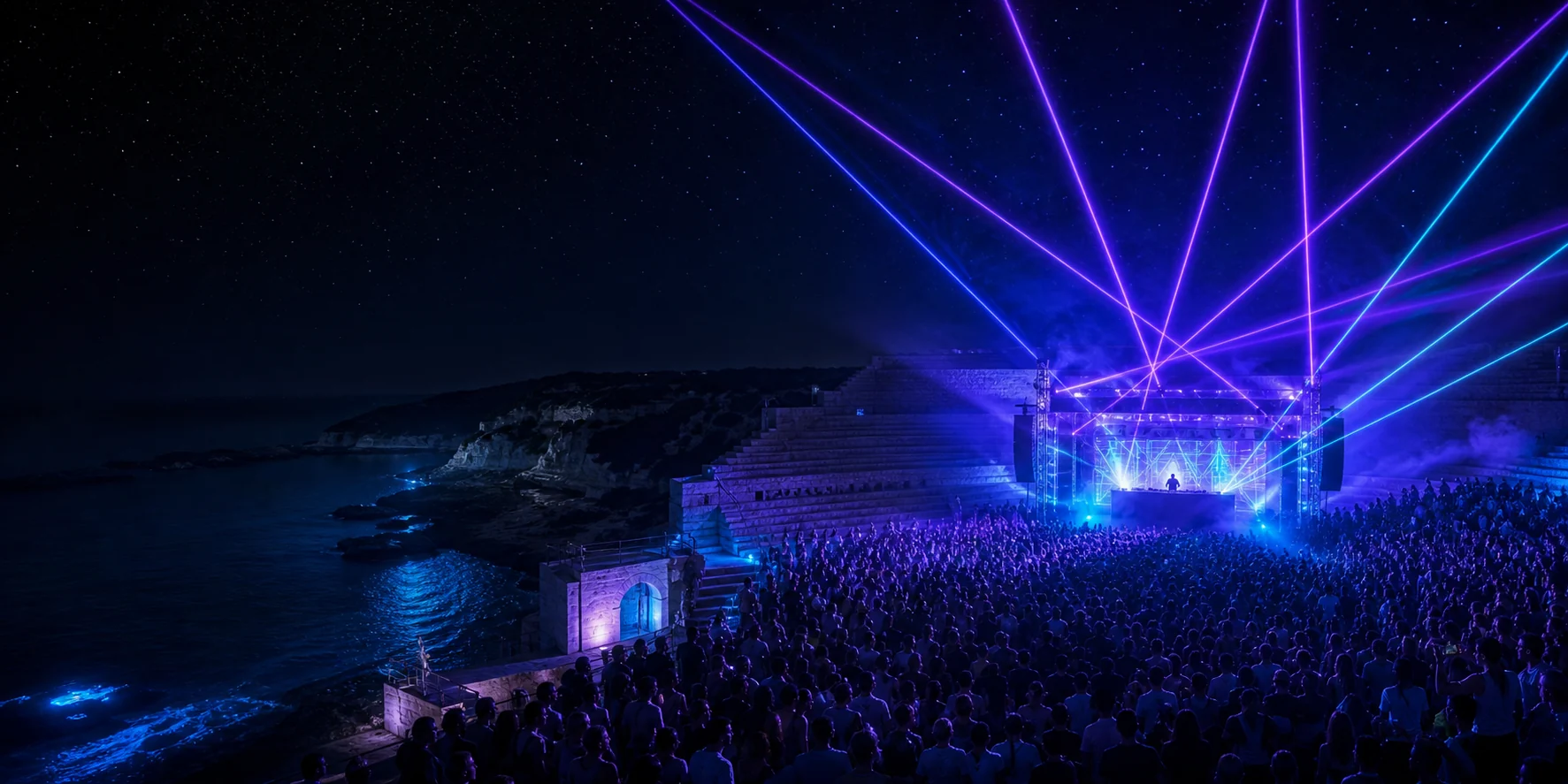
If the organizer posts a weather-related update, check the new instructions before travelling. Do not treat an editorial beach image as evidence of the current event setting.
E-E-A-T
How this guide was prepared
We reviewed the decisions a guest must make from discovery to arrival: date, exact location, programme, admission rules, ticket choice, seller and route. The advice is checked against the fields and flows visible on this platform rather than inferred from social-media posters.
Event details can change. The organizer's current event page remains the primary source for a specific date, while official tourism sources provide broader city context. We do not present editorial illustrations as photographs of a venue or claim that every listed event was attended by our team.
The guide images are generated editorial illustrations. They help explain the setting but never replace real venue or event information.
Reviewed on 15 August 2026
Sources for this guide
These links support the local context or the specific booking and operational steps in this guide. A calendar or venue profile does not confirm admission, price or hours for a particular event; check its current organizer listing.
Send us the page and the detail that should be checked. We review corrections instead of silently changing factual claims.
Send a correction